

The Allure of Risk: Why People Gamble
The psychology behind gambling is deeply rooted in the allure of risk and the thrill associated with it. Many individuals are drawn to casinos not solely for the prospect of winning money but for the excitement that comes from taking risks, such as when they explore an online canadian casino. This thrill can trigger a rush of adrenaline and release of dopamine, which can be highly addictive. The anticipation of a big win can make the experience exhilarating, often overshadowing the potential for loss.
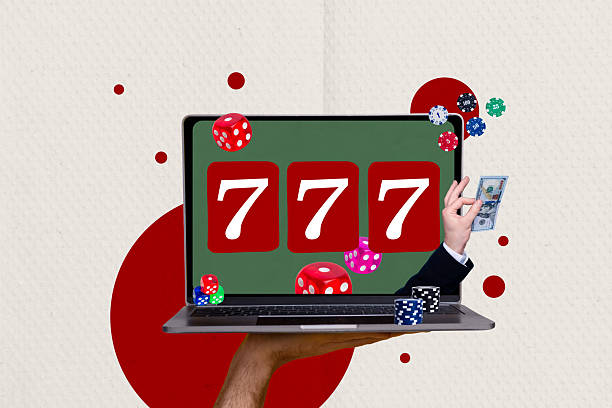
Furthermore, gambling environments are designed to amplify these feelings. The bright lights, sounds of clinking coins, and the atmosphere of excitement create a sensory experience that heightens emotional responses. This intoxicating environment can lead to impulsive decisions, as individuals seek to recreate the emotional highs associated with winning, often ignoring the statistical realities of their chances.
The Role of Cognitive Biases in Gambling
Cognitive biases play a significant role in how gamblers perceive their chances of winning. One common bias is the “gambler’s fallacy,” where individuals believe that past outcomes will influence future results. For instance, many people think that if a particular slot machine hasn’t paid out recently, it is ‘due’ for a win. This flawed logic can lead to increased gambling behavior, as players hold onto the hope that their luck will turn.
Additionally, confirmation bias reinforces these beliefs, as gamblers tend to remember their wins more vividly than their losses. This selective memory can create an illusion of control over random events, leading them to continue gambling even when the odds are against them. As they focus on their victories, they may neglect to consider the long-term consequences of their gambling habits.
The Impact of Social Factors on Gambling Behavior
The social context of gambling also influences individual behavior. Many people gamble in groups, where the social dynamics can enhance the experience and make it more enjoyable. This camaraderie can lead to an increased willingness to take risks, as individuals feed off each other’s excitement. The concept of social proof—seeing others engage in a behavior can normalize it—can also encourage more gambling.
Moreover, cultural attitudes towards gambling can shape a person’s relationship with it. In some societies, gambling is seen as a form of entertainment and a legitimate pastime, while in others, it may be viewed negatively. These cultural perceptions can significantly influence an individual’s likelihood to gamble and their attitudes toward wins and losses.
The Psychological Effects of Winning and Losing
The psychological effects of winning can be profound. A big win can lead to increased self-esteem and confidence, reinforcing the behavior that led to the victory. This boost can create a desire to gamble more, as individuals seek to replicate the euphoric feelings associated with winning. However, this can also lead to a cycle of chasing losses, where individuals continue to gamble in an attempt to recover their previous losses, often leading to larger financial and emotional consequences.
On the other hand, losing can have detrimental effects on mental health. Many gamblers experience feelings of shame, guilt, or depression following significant losses. This emotional toll can make it difficult for individuals to stop gambling, as they may believe they can recoup their losses through continued play. The psychological struggle between the desire to win and the fear of losing can create a precarious balance, often resulting in a continuous loop of gambling behavior.
Understanding Responsible Gambling and Support Systems
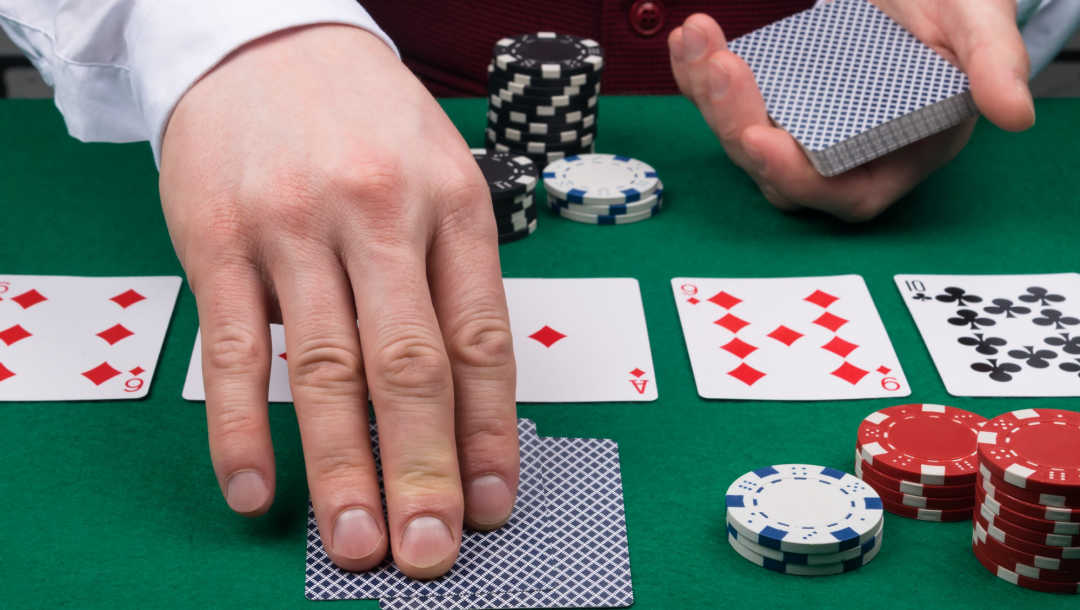
As the psychology of gambling continues to unfold, understanding responsible gambling practices is crucial. Many organizations and websites aim to promote safe gambling habits, emphasizing the importance of setting limits and recognizing when to seek help. Support systems, such as counseling and community programs, can provide essential resources for those struggling with gambling addiction, helping them regain control over their lives.
Moreover, educating gamblers about the odds and the realities of gambling can empower them to make informed decisions. Awareness of the psychological triggers that lead to impulsive behavior can also be beneficial, as it encourages individuals to develop healthier relationships with gambling, allowing for enjoyment without detrimental consequences.


